What high performance really looks like: Toni Tomé’s story inside elite sport
Beyond competition, the spotlight and the big names, there is a quieter side of performance that is rarely told: travel, adaptation, recovery, load management and the responsibility of keeping the body ready when the margin for error is minimal.
Key topics
There are moments in sport that never make it onto television. No medals, no applause, and almost never a camera pointed at them. And yet, that is often where the most important work happens. Before a major competition, there are months of preparation, constant travel, time-zone changes, mental focus and bodies that must keep responding even when fatigue starts to weigh more than expected. That less visible side is also an essential part of sports performance, and it is the part that leaves the deepest mark on anyone who has the chance to experience it from within.
— The journey does not start on the big stage. It starts much earlier.
When we think about elite sport, we usually imagine the final moment: the match, the event, the court, the anthem or the photo. But the reality is built long before that. In Toni’s case, this experience was shaped by intense weeks, by living close to high-level performance structures and by constant preparation so the body could be ready when it mattered most.
In that environment, physiotherapy stops being a one-off intervention and becomes a tool for ongoing support. Watching how the body responds, picking up small warning signs before they become injuries, adapting the work to the competitive moment and helping sustain performance are all part of a responsibility that goes far deeper than it may seem from the outside.
— Being far from home is also part of high performance.
There is another dimension that is rarely explained: distance. The human side of these experiences also carries weight. Travelling, moving from one country to another, adapting to new rhythms, living with daily pressure and spending time away from family is not always easy. It requires discipline, adaptability and a great deal of inner stability.
And at the same time, there is something deeply enriching about it. Because it forces you to grow. To look at the body with more respect. To value the process even more. To understand that behind every visible result there is silent work, and that silent work is often what makes the difference between being able to keep competing… or breaking down in the attempt.
— Being close to great athletes changes the way you understand the body.
Sharing space with world-class athletes is not impressive just because of the names. What truly stays with you is what they represent: discipline, precision, body awareness and absolute respect for detail. That is when high performance stops feeling like an abstract idea and becomes something very real.
Each athlete reflects a different dimension of performance: consistency, longevity, power, precision, explosiveness or competitive mindset. And witnessing that up close leaves a kind of learning that later carries over into clinical work with much greater depth.
These images reflect part of that journey and that learning:
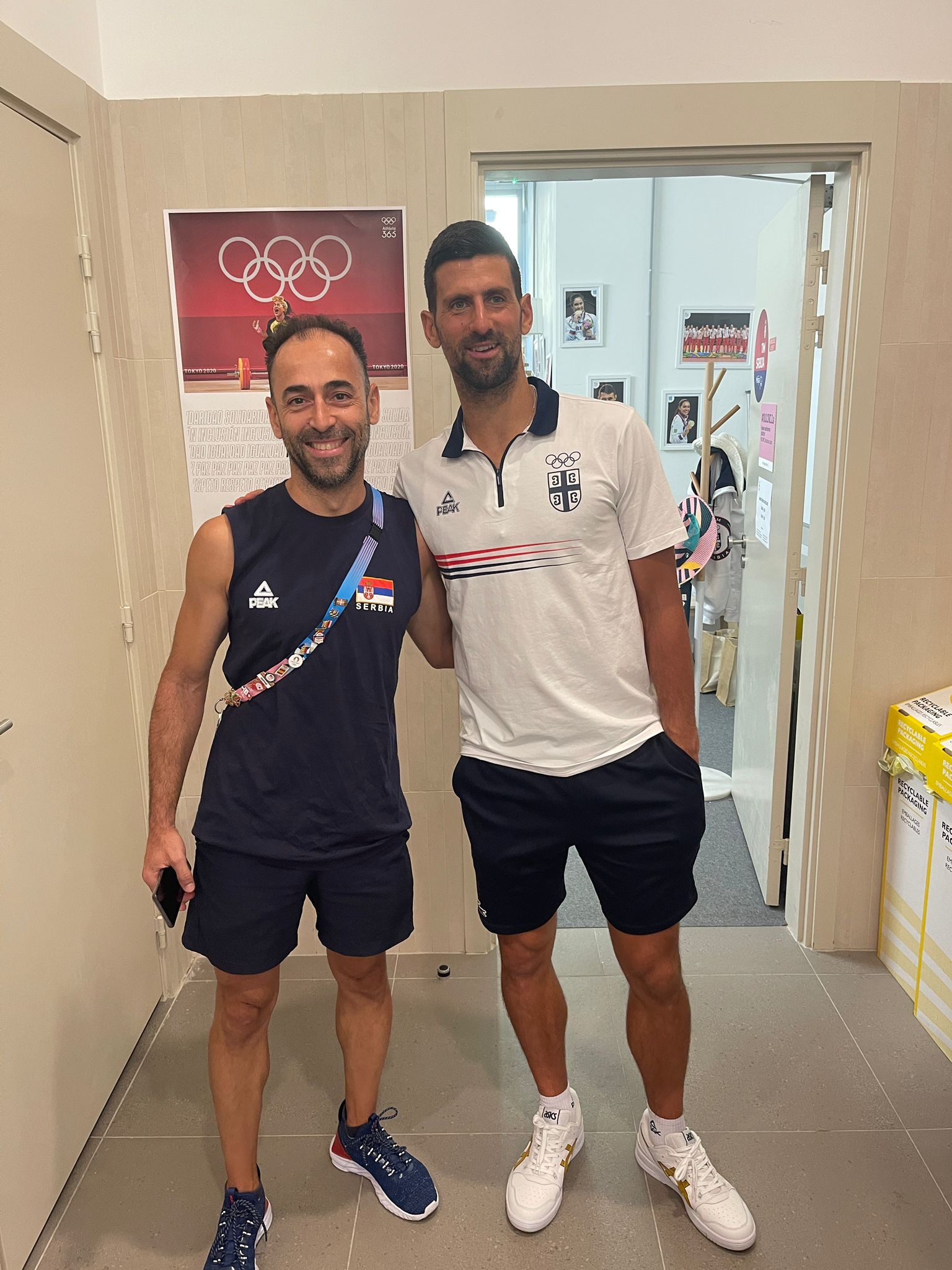
Novak Djokovic
Precision, detail and control. With athletes like this, you understand that at the highest level even the smallest things matter.
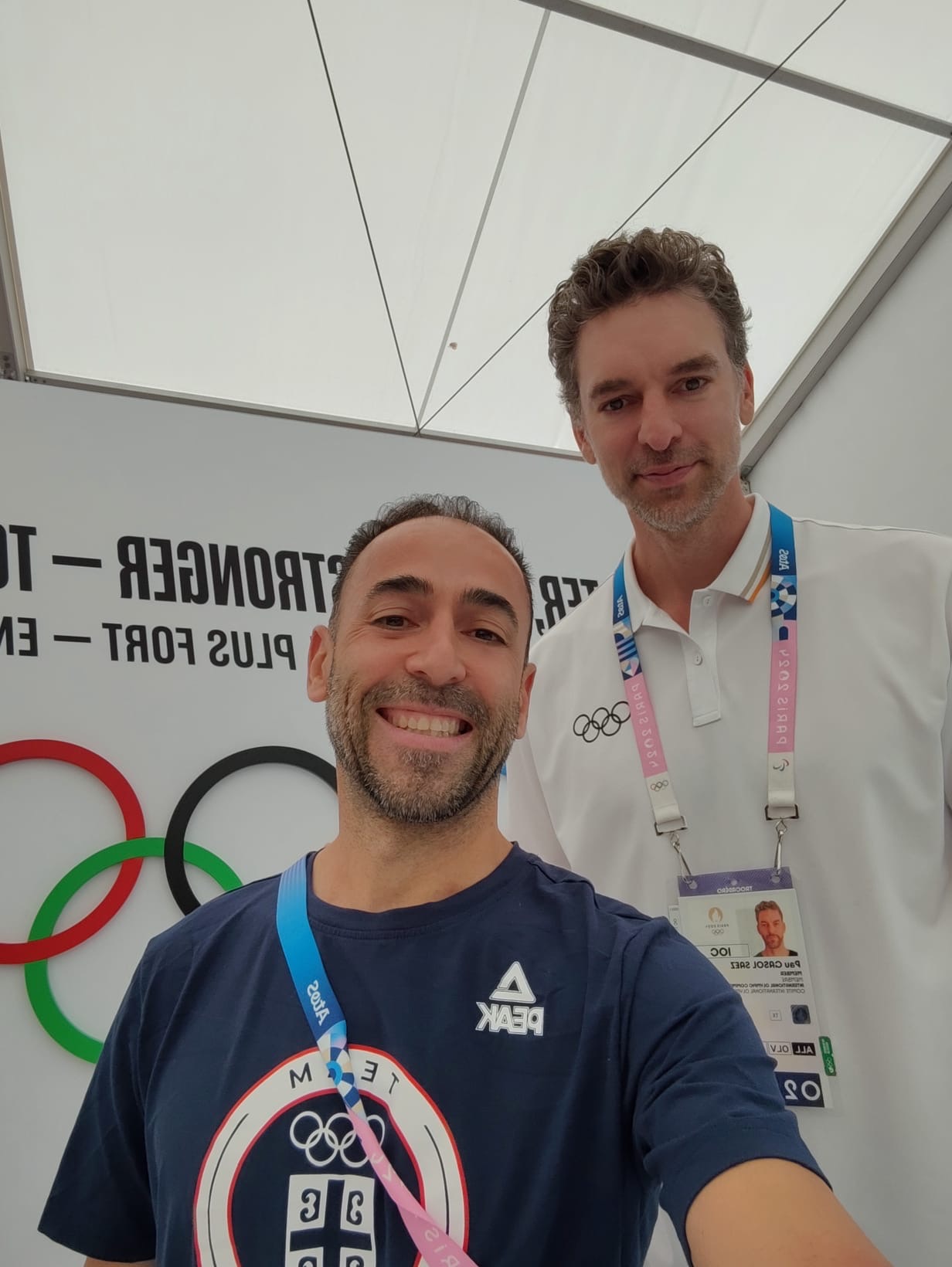
Pau Gasol
Sporting longevity is never improvised. It is built over years through care, adaptation and method.
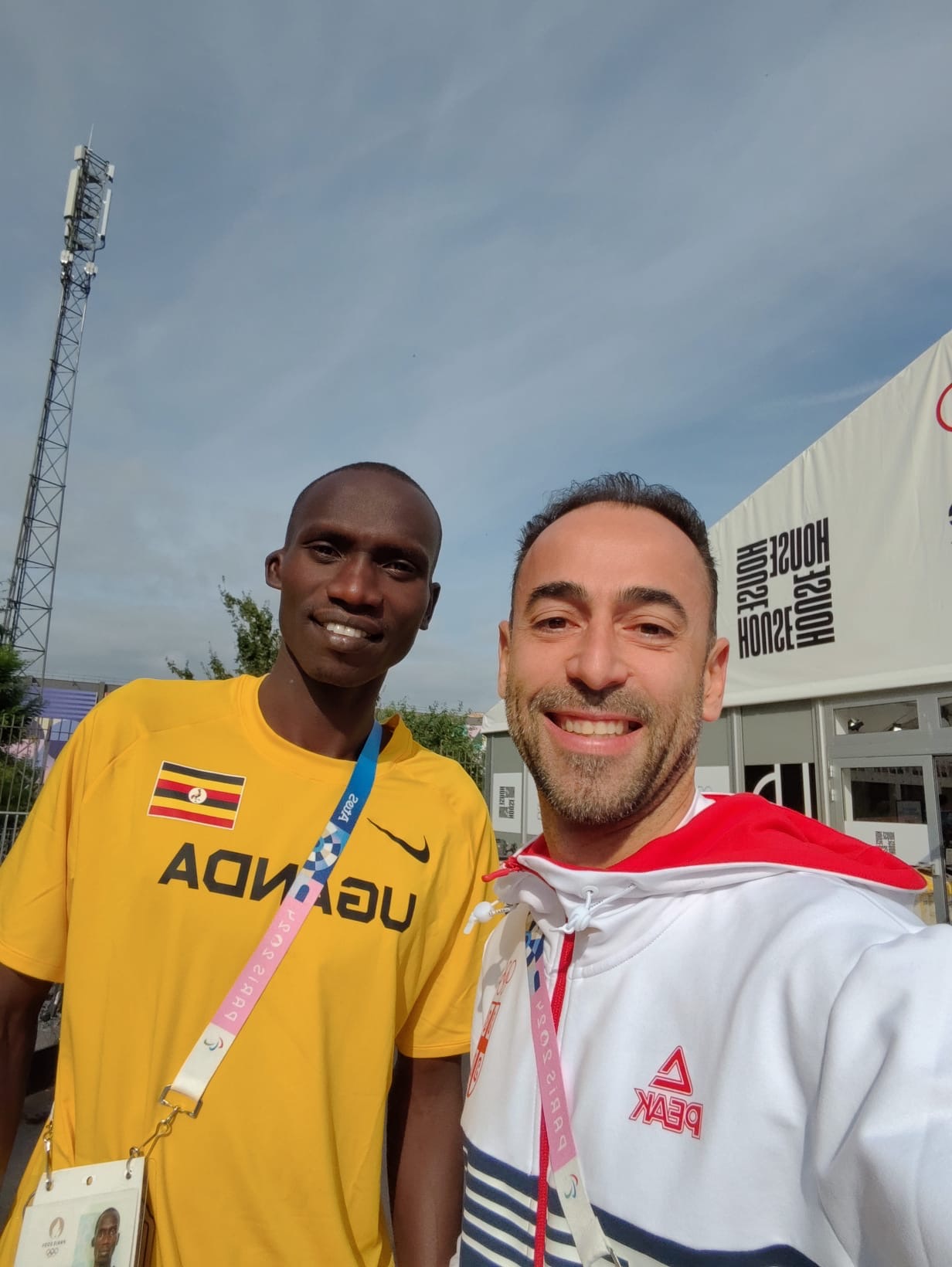
Joshua Cheptegei
When everything is aligned, the body can go very far. At that point, performance becomes a matter of absolute efficiency.
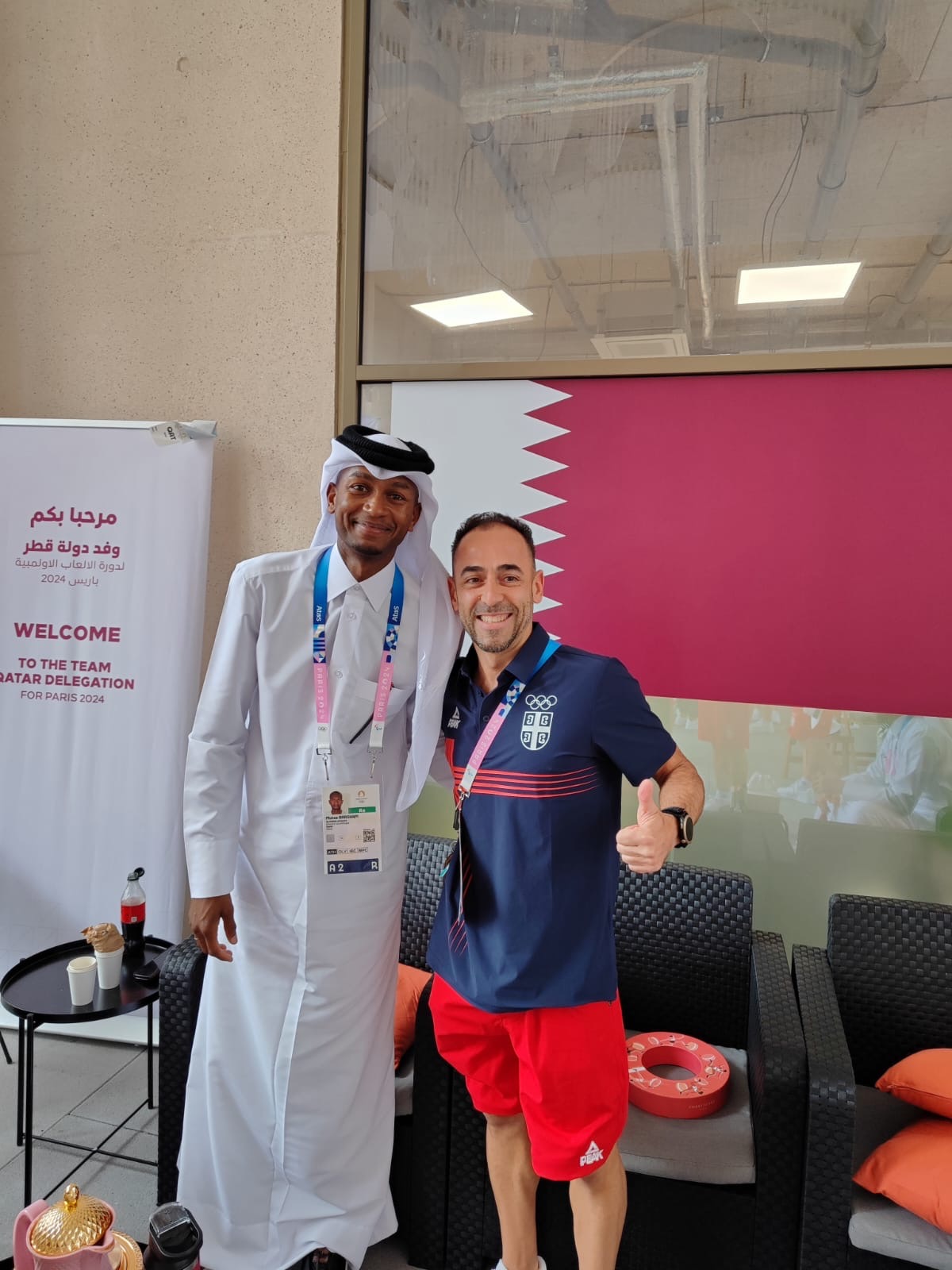
Mutaz Barshim
There are disciplines where a few centimetres change history. Technique, timing and body control taken to the extreme.
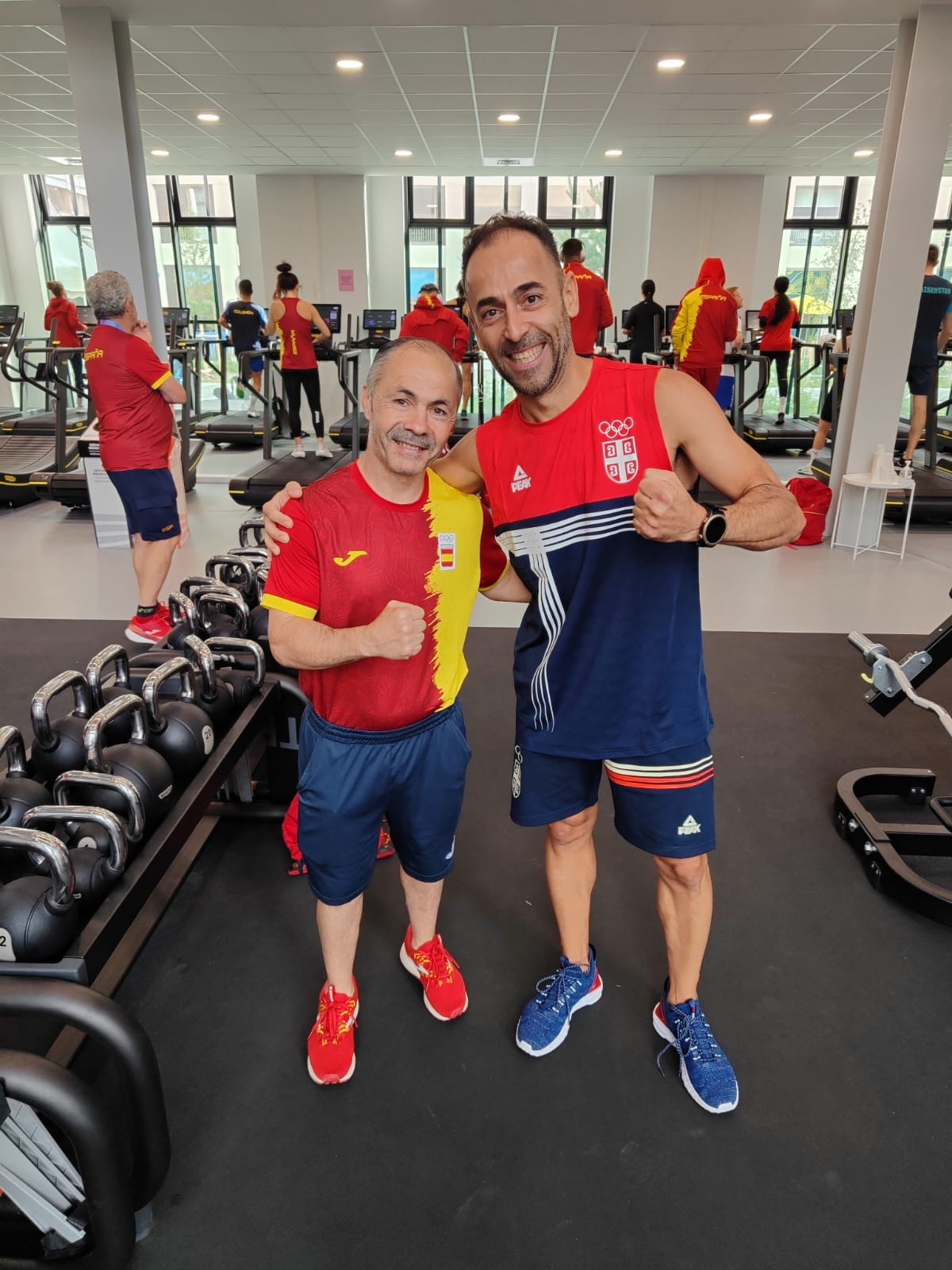
Rafa “Balita” Lozano
Explosiveness, reading the movement and responding in fractions of a second. Another way of understanding physical demand.
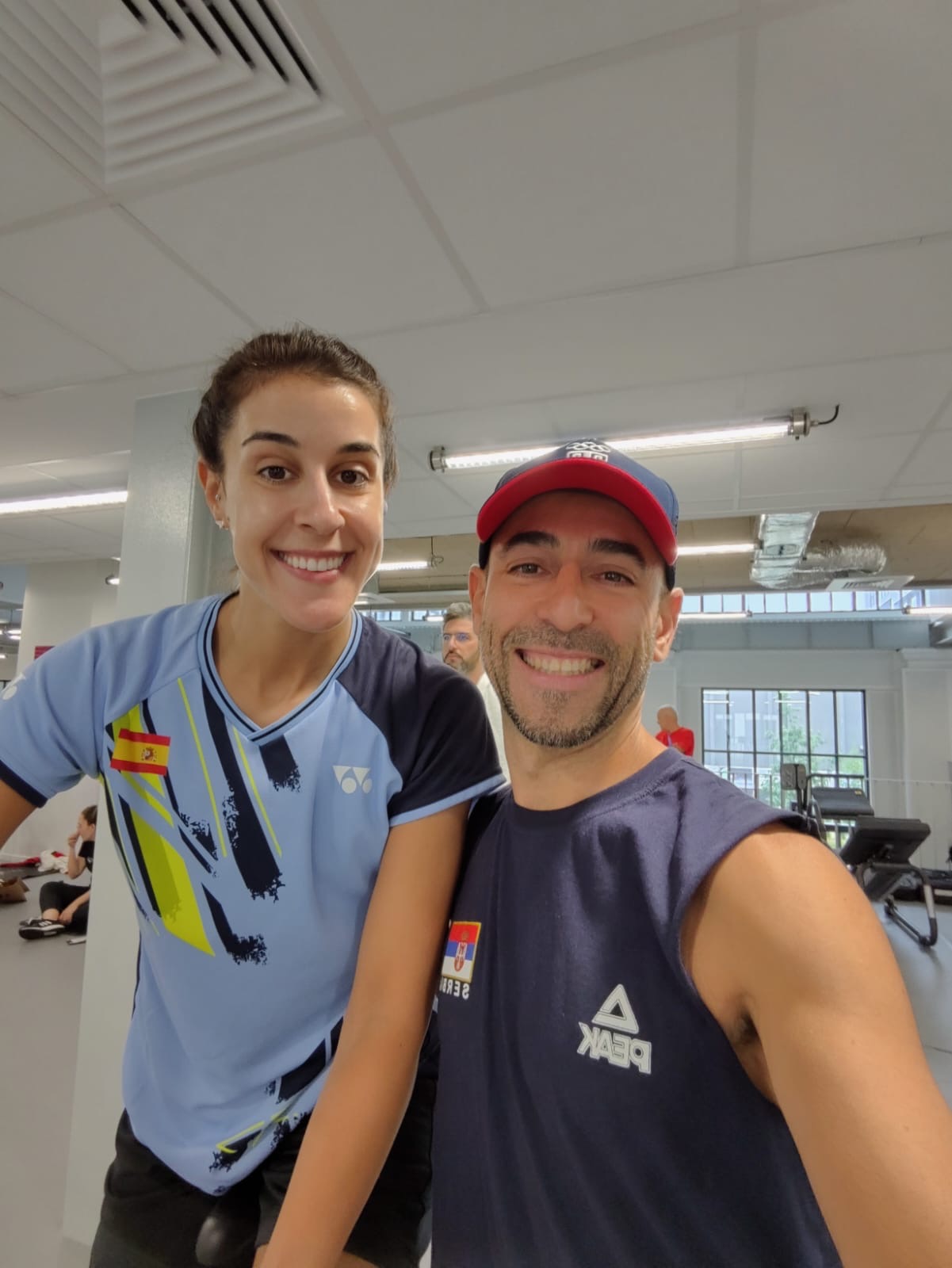
Carolina Marín
Mindset, competitiveness and presence. Some careers explain on their own what it truly means to be elite.
— What high performance really teaches you.
After living experiences like these, one idea changes forever: the body cannot be understood in isolated parts. You no longer look at discomfort, compensation or repeated movement in the same way. Everything is seen more globally, more precisely and more closely linked to real function.
High-level sport makes one thing very clear: there are no generic solutions. No two bodies are the same, no two responses are identical and there is never just one path to better performance. That is why truly useful work is the kind that listens, analyses, adapts and supports.
And that is precisely the most valuable part of this whole journey: that the experience does not stay in a photo or a single memory. It becomes clinical judgement, professional sensitivity and a far more conscious way of working.
— From elite sport to the clinic: the learning that can truly be transferred.
None of this is useful only for people competing at the highest level. It is also relevant for anyone who trains several times a week, wants to prevent injuries, has been dealing with recurring discomfort or simply wants to move with confidence again.
Because the lesson is the same: better performance starts with better understanding of the body. How it moves, what it tolerates, where it compensates, how it recovers and what it actually needs at each stage of the process. That applies to an elite athlete, but also to anyone who wants to train with more purpose and less risk.
“Very often, the real leap in quality does not come from training more, but from understanding better how the body moves, recovers and responds to load.”
An experience that leaves more than authority
This story complements the previous Paris article from a different perspective: not so much from the competition itself, but from the impact of living high performance from the inside. For Atfisio, that means something very concrete: bringing into the clinic a more precise, more global and more respectful way of looking at the body, whether we are talking about athletes or people who simply want to recover, prevent problems or perform better again.
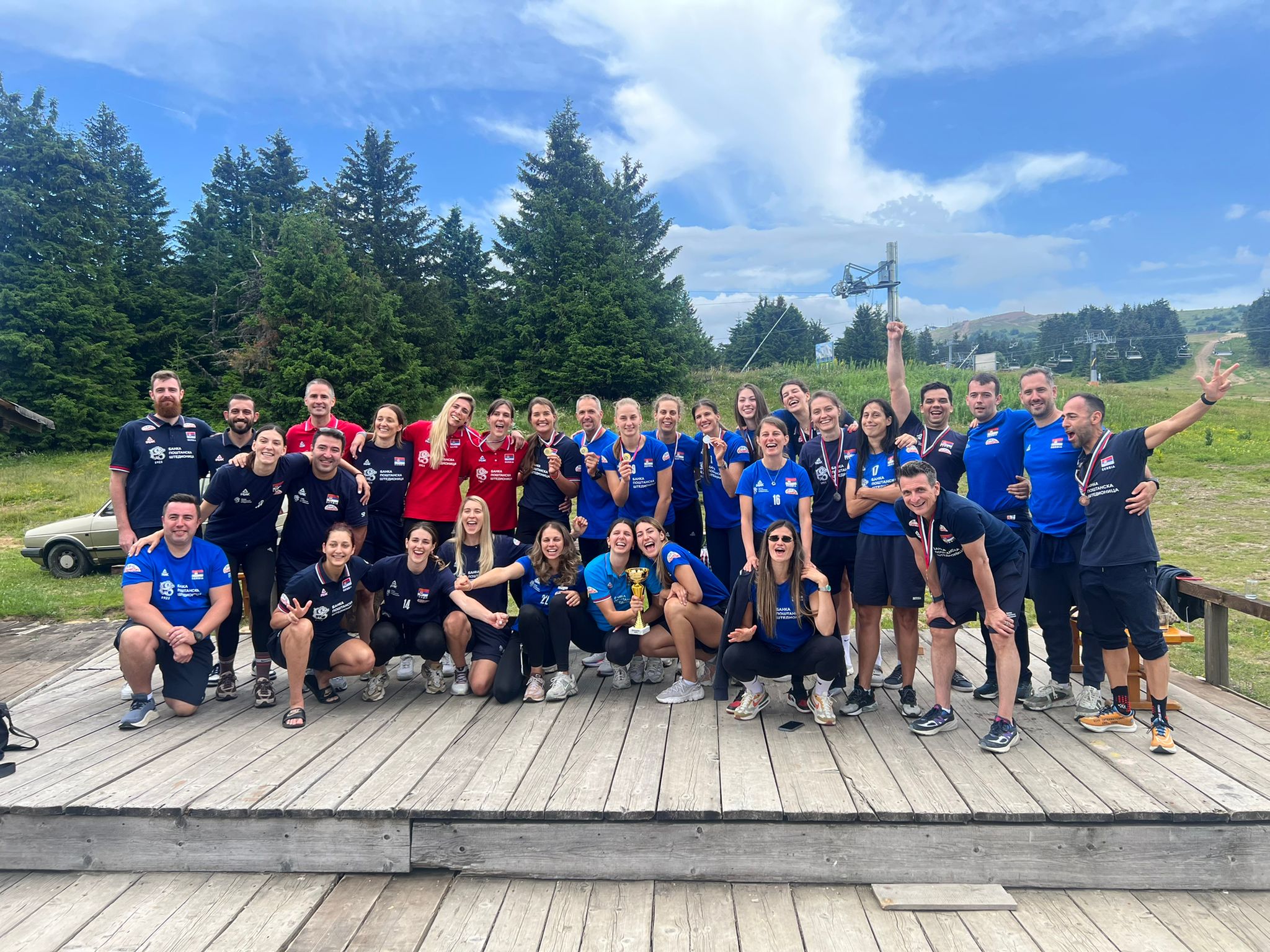
Part of the invisible work of high performance happens here: in the day-to-day process, in preparation and in everything that is not seen during competition.
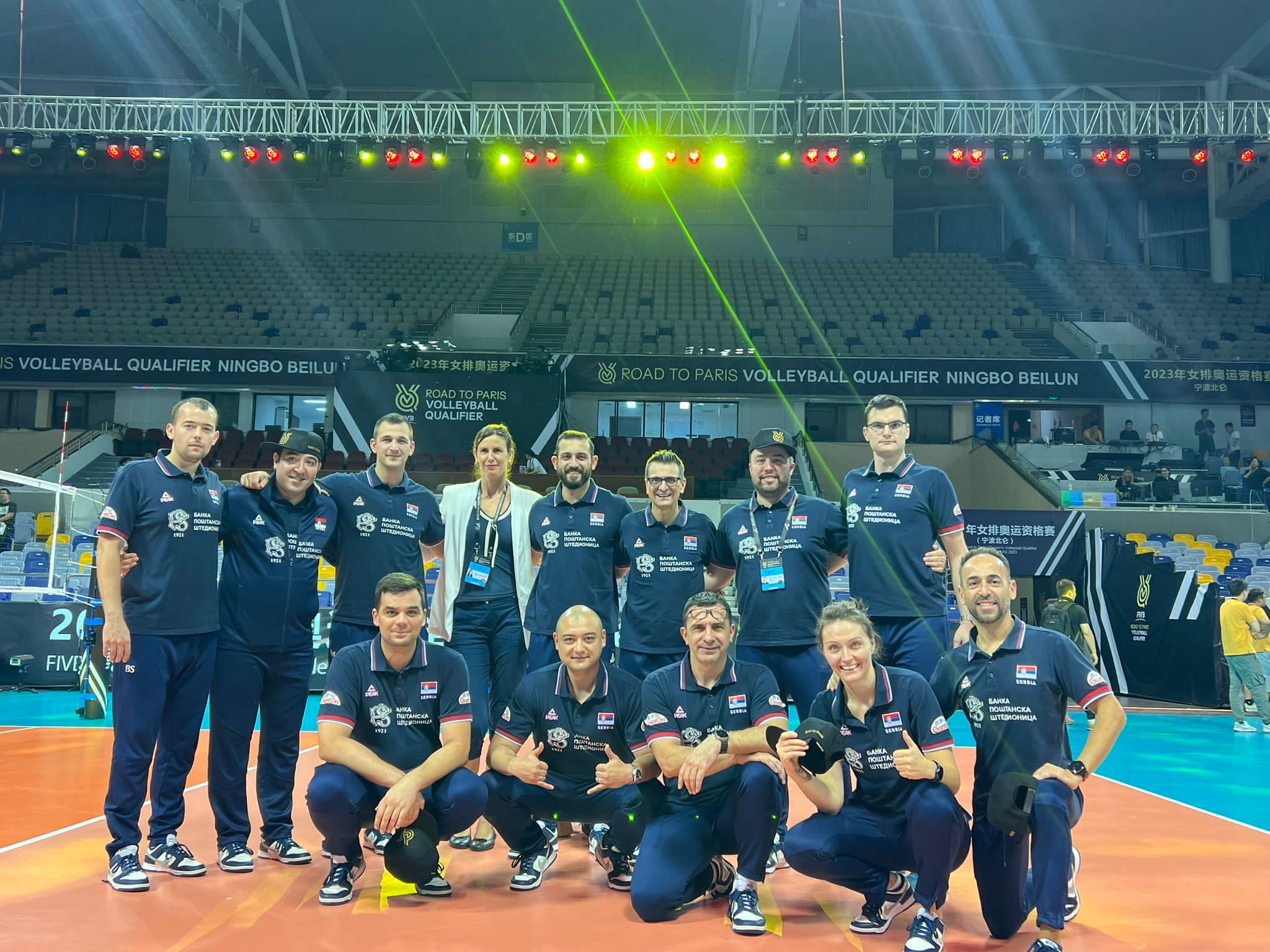
Who is Toni Tomé
Toni is part of Atfisio and brings a perspective closely linked to sports performance, recovery and prevention through movement. His experience in high-demand environments has allowed him to work close to international structures and bring that learning into daily clinical practice.
His way of understanding physiotherapy is based on observing the body with precision, identifying compensation patterns before they become injuries and supporting processes where the goal is not only to reduce pain, but to restore function, confidence and the ability to perform.
Book an appointment at Atfisio